.
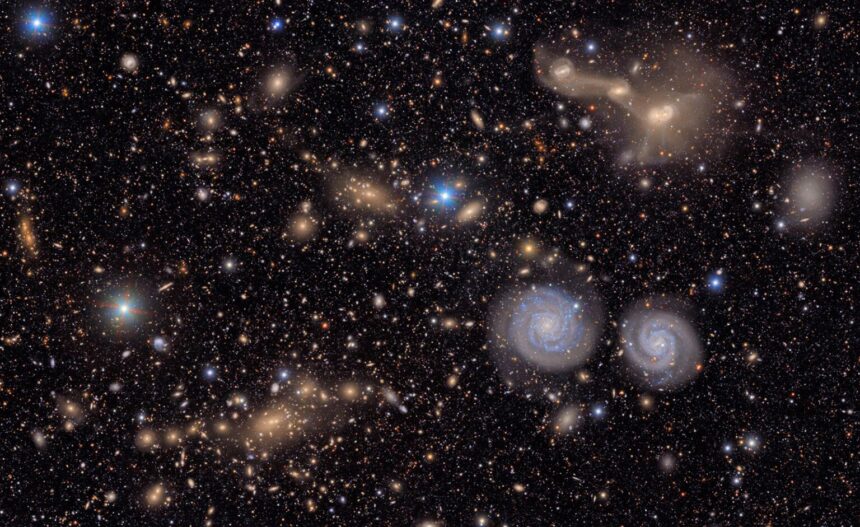
The observatory released the first images taken with its car-sized Legacy Survey of Space and Time (LSST) camera in June of last year. Rubin Observatory
The Vera C. And that number is only expected to climb to the multiple millions per night. The system went live publicly on Tuesday, February 24th, and on the first night dropped some 800,000 alerts about asteroids, supernovas, and feasting black holes.